
Why Toys Matter So Much in Childhood
Khilauna Team · · 6 min read
Watch a small child with a toy for a few minutes. They turn it, shake it, drop it, pick it up again and laugh. To us it looks like simple fun. But for the child, it is real work. Every time they play, they are learning something new about the world and about themselves.
That is why toys matter so much in childhood. In this post we look at what toys really do for children, how to choose good ones, and a few simple toys that help children grow.
Play is how children learn
Children do not learn the way adults do. They do not sit and read a book about shapes or colours. They learn by touching, trying, getting it wrong and trying again. Toys give them a safe way to do all of this.
When a child stacks cups and they fall down, they learn about balance. When they fit a puzzle piece in the right place, they learn about shapes. When they push a toy car, they learn that things move when you push them. Nobody has to teach these lessons. The toy does it, and the child enjoys every minute.
What toys help children with
1. Thinking and solving problems
Puzzles, stacking toys and counting toys make a child think. "Which piece goes here?" "Why did my tower fall?" Small questions like these build big skills. A child who learns to solve a puzzle today learns to solve bigger problems tomorrow.
2. Hands and fingers
Picking up small pieces, turning a knob, sliding beads on an abacus, holding a crayon: all of these make little hands stronger and more careful. These are the same skills a child will later need to hold a pencil, button a shirt and tie shoe laces.
3. Words and talking
Children talk while they play. They name colours, count out loud, and make up stories for their toys. A simple ABC mat or a set of animal toys gives parents an easy way to teach new words. "What colour is this? What sound does a cow make?" Play makes learning words feel like a game, not a lesson.
4. Imagination
Give a child a toy kitchen or a doctor set, and they become a cook or a doctor. Pretend play is one of the best things a child can do. They copy what they see at home, try out new roles, and make up their own little worlds. This is where creativity begins.
5. Feelings and sharing
When children play together, they learn to take turns, share and wait. They feel happy when they win and learn to deal with it when they lose. A soft toy can also give comfort to a child who feels scared or sad. Toys help children understand their feelings in a gentle way.
6. Moving and being active
Ride-on toys, balls and pull-along toys get children moving. Crawling after a toy, walking with a push toy or throwing a ball helps their body grow strong and teaches them balance.
Toys for every age
Children need different toys as they grow. Here is a simple guide:
- 0 to 1 year: rattles, soft toys, teethers and toys with bright colours and gentle sounds. Babies learn by looking, holding and putting things in their mouth, so choose toys that are big and safe.
- 1 to 3 years: stacking cups, shape sorters, push and pull toys, big puzzles and picture books. This is the age of "I can do it myself".
- 3 to 5 years: pretend play sets, ABC and number toys, simple board games, colours and clay. Children start to play together and make up stories.
- 5 years and up: building sets, art and craft, games with rules, and toys that make them think.
Always check the age written on the toy box. It tells you which toys are safe and right for your child.
How to choose a good toy
You do not need many toys or costly toys. A few good ones are enough. Here are some simple tips:
- Pick toys that do more than one thing. A set of stacking cups can be stacked, nested, counted, used in the bath and turned into a pretend tea party.
- Let the child do the work. Toys that only light up and play music while the child watches are less useful than toys the child has to push, build or solve.
- Check for safety. Toys for children under 14 sold in India must carry the ISI mark. Look for it, and avoid toys with sharp edges or very small parts for young children.
- Think about what your child loves. Some children love building, some love pretend play, and some love to move. Follow their interest.
- Play with them. The best toy is even better when a parent or grandparent joins in.
A few simple toys we love
These are toys that keep little hands busy and little minds learning.
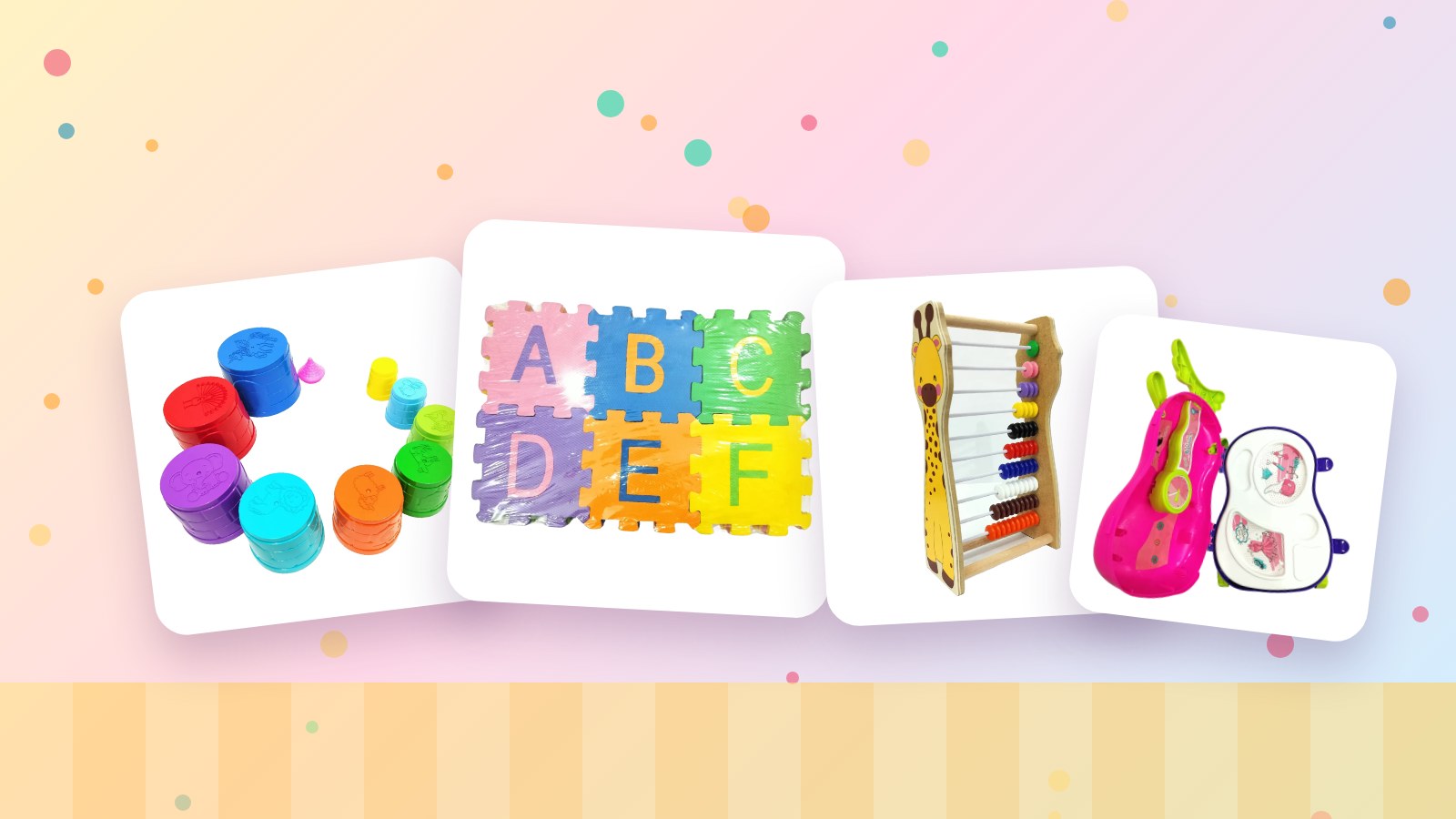
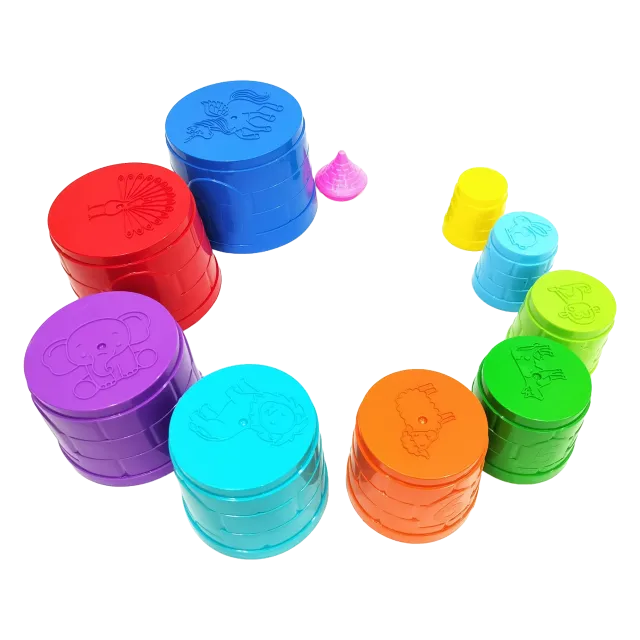
The Lighthouse Tower Stacking Cups are a great first toy. Children stack them, knock them down and stack them again, learning about size, order and balance along the way.
The ABC Alphabet Puzzle Mat turns learning letters into a game. Children can fit the pieces, name the letters and play on it on the floor.
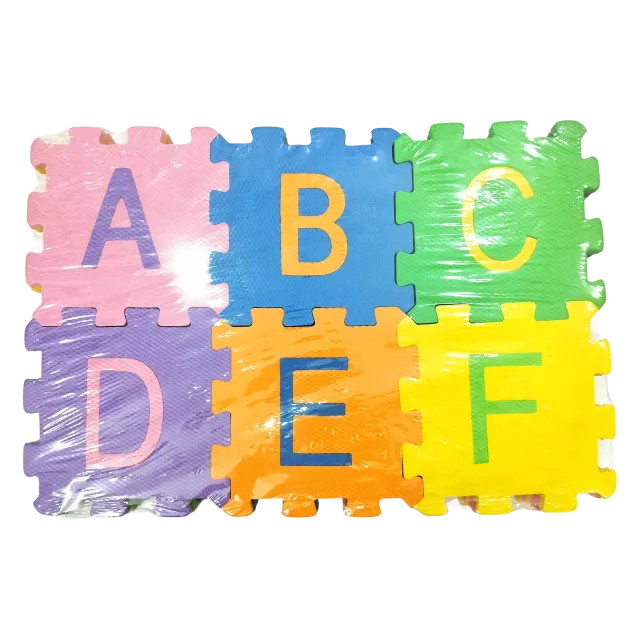
The Giraffe Abacus is a fun way to start counting. Sliding the beads helps little fingers, and counting them helps little minds.
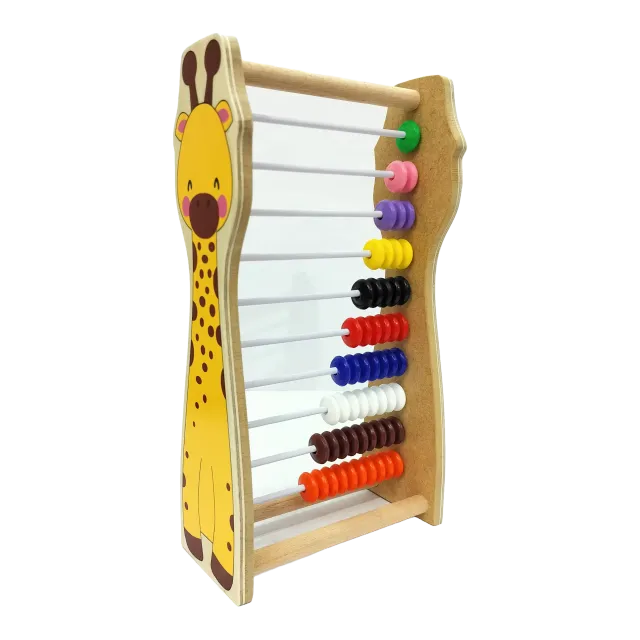
The Pretend Play Makeup Kit Trolley is perfect for children who love to copy grown-ups and make up their own games.
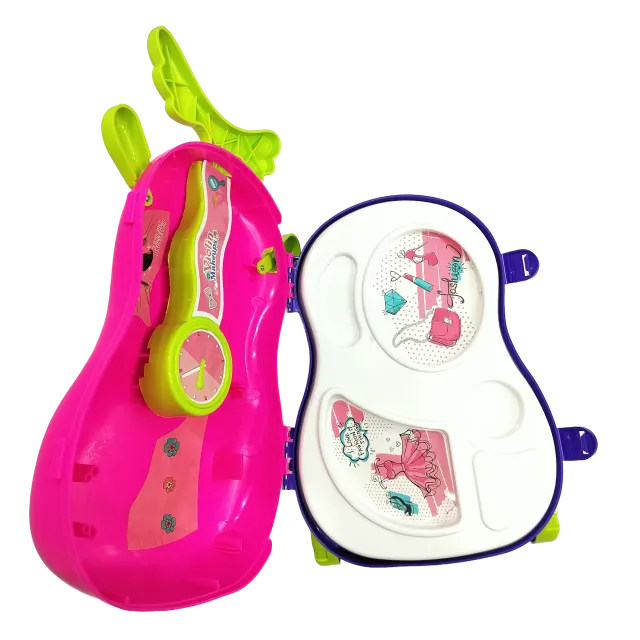
You can see more in our toys collection.
A last word for parents
Toys are not just a way to keep children busy. They are how children learn to think, talk, move, share and dream. You do not need to fill the house with toys. A few good ones, some open space, and a little time from you are all a child needs.
So the next time your child sits on the floor with a toy, let them play. They are doing exactly what they need to do to grow.